
For decades, the interior design industry has operated under a predictable framework…
…how does a space look, and how does it function on a physical level? We poured over paint swatches, debated the layout of a sectional, and ensured traffic lanes flowed smoothly.
But a profound, long-overdue evolution is happening in the design world. The conversation is shifting away from purely visual aesthetics toward something much deeper: cognitive, neurological, and sensory well-being.
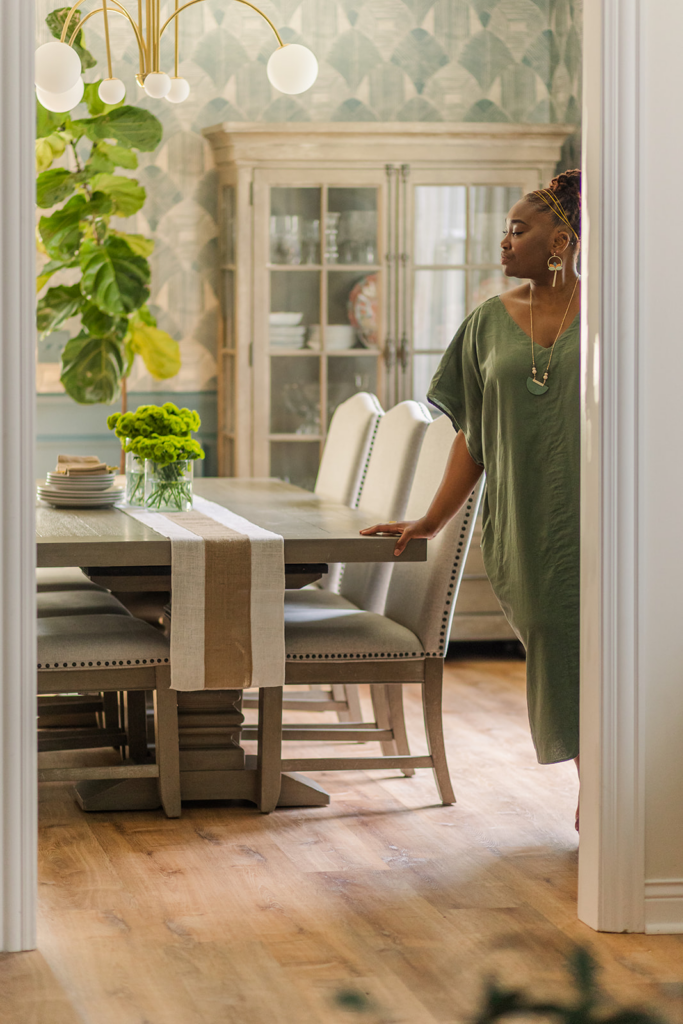

Today, we aren’t just designing for eyes or ergonomics. We are designing for the human nervous system. And at the heart of this movement is neuro-inclusive design.
What is Neuro-Inclusive Design?
Neuro-inclusive design is the practice of creating spaces that accommodate, respect, and nurture diverse minds. This includes individuals with ADHD, autism, dyslexia, dyspraxia, and sensory processing differences.
Historically, design has favored a “one-size-fits-all” standard. We built open-concept offices, hung stark white minimalist art, and installed bright, uniform overhead lighting. While these choices might look stunning in a magazine spread, they often introduce severe “sensory friction” for a neurodivergent brain.

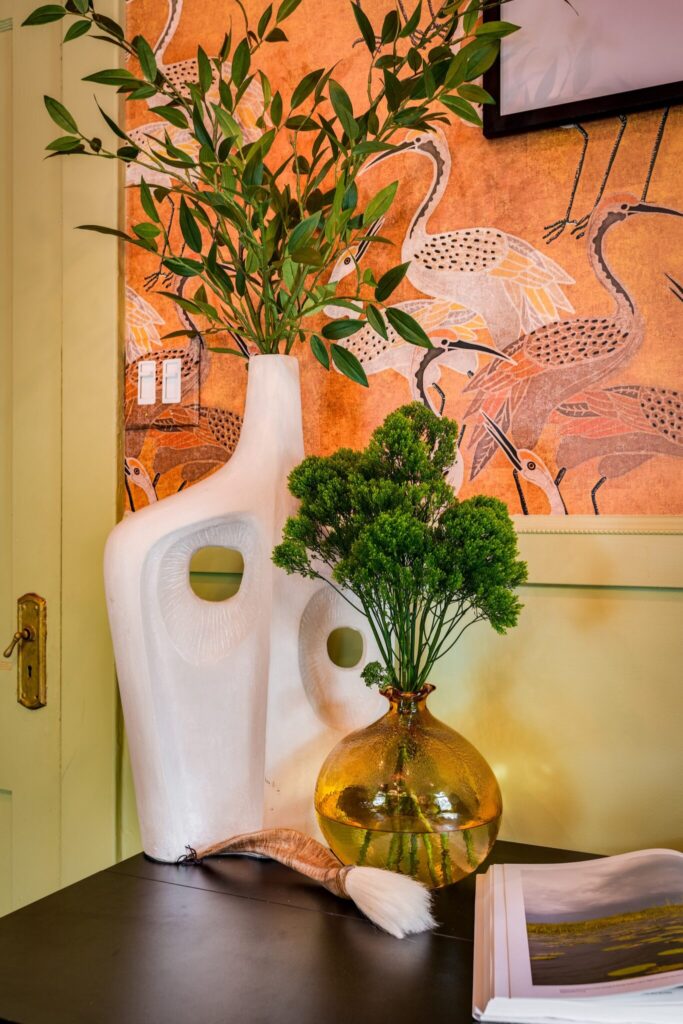

When a space forces someone to constantly battle ambient noise, glare, or visual clutter, it drains their executive function. Neuro-inclusive design flips the script. It asks: How can this environment actively lower cortisol, support focus, and allow the mind to truly decompress?
Why Is This Topic Exploding Right Now?
If it feels like designing for neurodiversity is suddenly everywhere, that is because it is. Several major cultural shifts have converged to bring this vital topic into the mainstream spotlight:
- A Wave of New Self-Awareness: Over the past few years, there has been a massive surge in adults receiving late-stage diagnoses for ADHD and autism. As people finally understand why they feel chronically overwhelmed, they are looking at their homes and workplaces with fresh eyes, seeking spaces that work with their brains rather than against them.
- The Post-Pandemic Workspace Reality: The blurring of lines between home, school, and work changed our relationship with our environments. Returning to traditional, unpredictable open-plan offices introduced intense sensory overload for many. To retain talent, companies are realizing they must offer varied spatial “zones”—like low-stimulus rooms and quiet focus pods.
- A Natural Evolution of Wellness: For years, the industry has embraced wellness trends like biophilic design (bringing nature indoors). Expanding that umbrella to include neurological health was the next logical step. Major industry bodies, including the American Society of Interior Designers, have officially recognized neuro-inclusive design as a defining standard for the future of architecture and decor.
Designing for the Edges Benefits Everyone
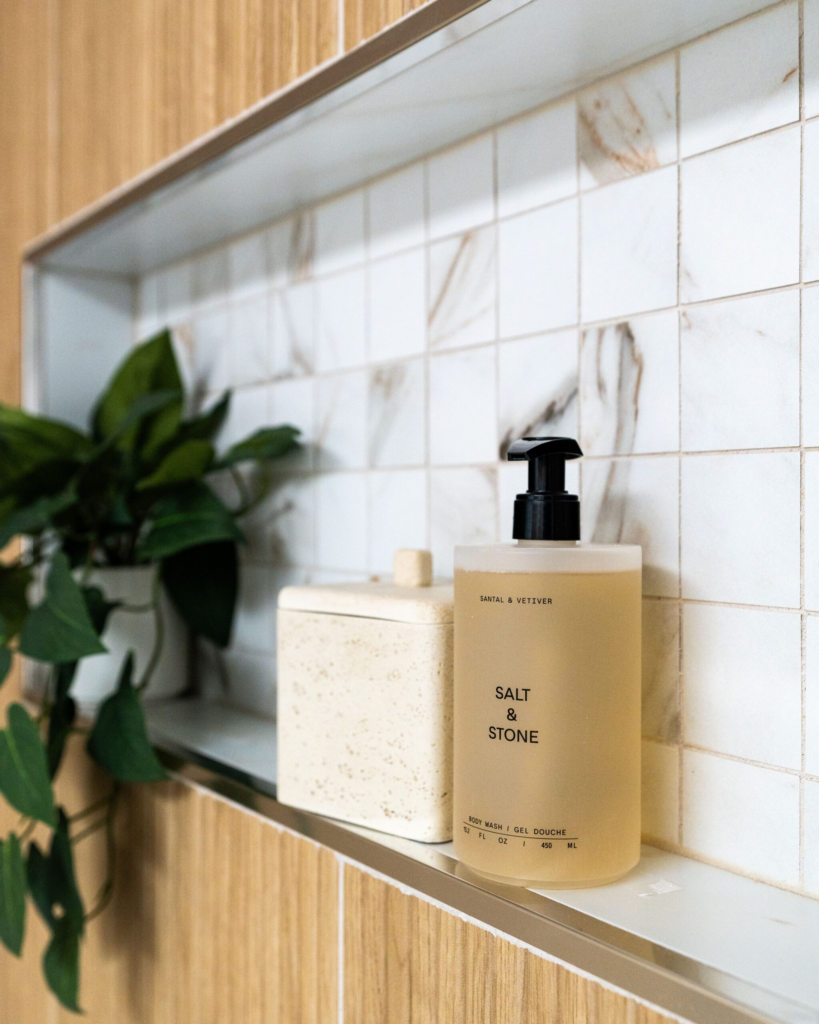
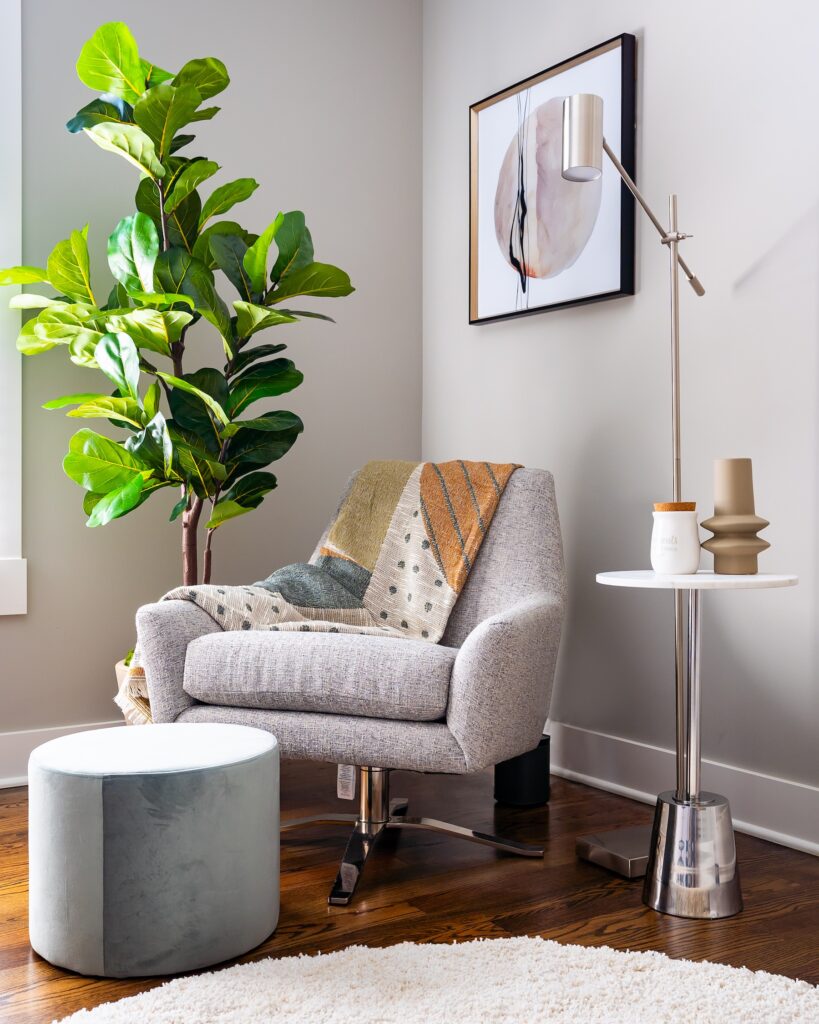
There is a foundational truth in architecture: when you design for the edges, everyone wins. Consider the classic sidewalk curb cut. It was originally designed for wheelchair users, but it instantly made life easier for parents pushing strollers, travelers pulling suitcases, and people riding bicycles.
The exact same logic applies to interiors.
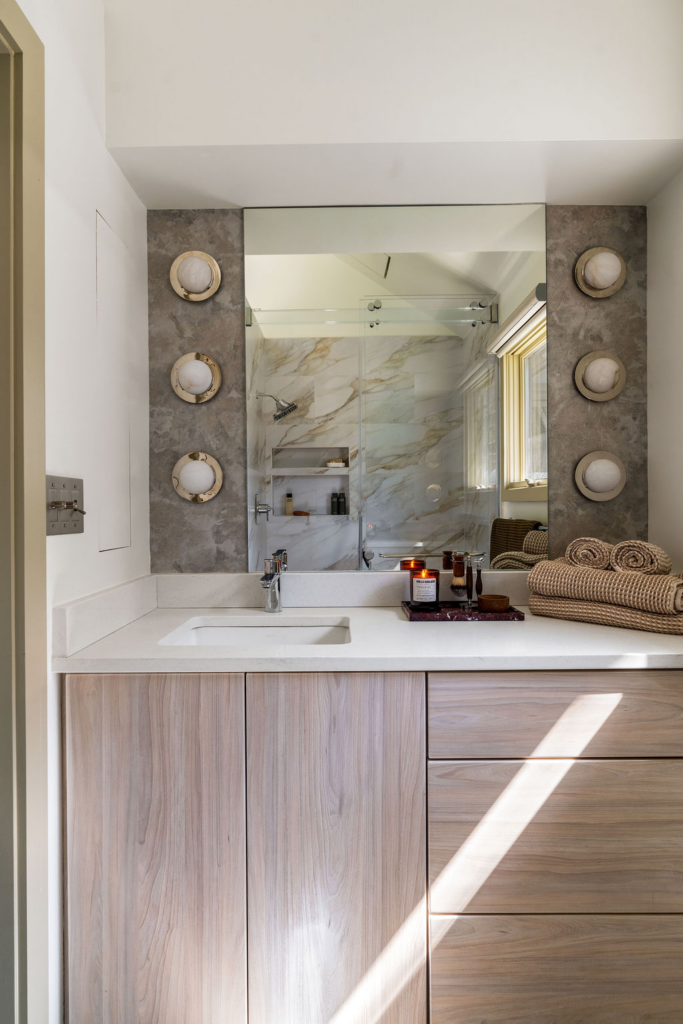
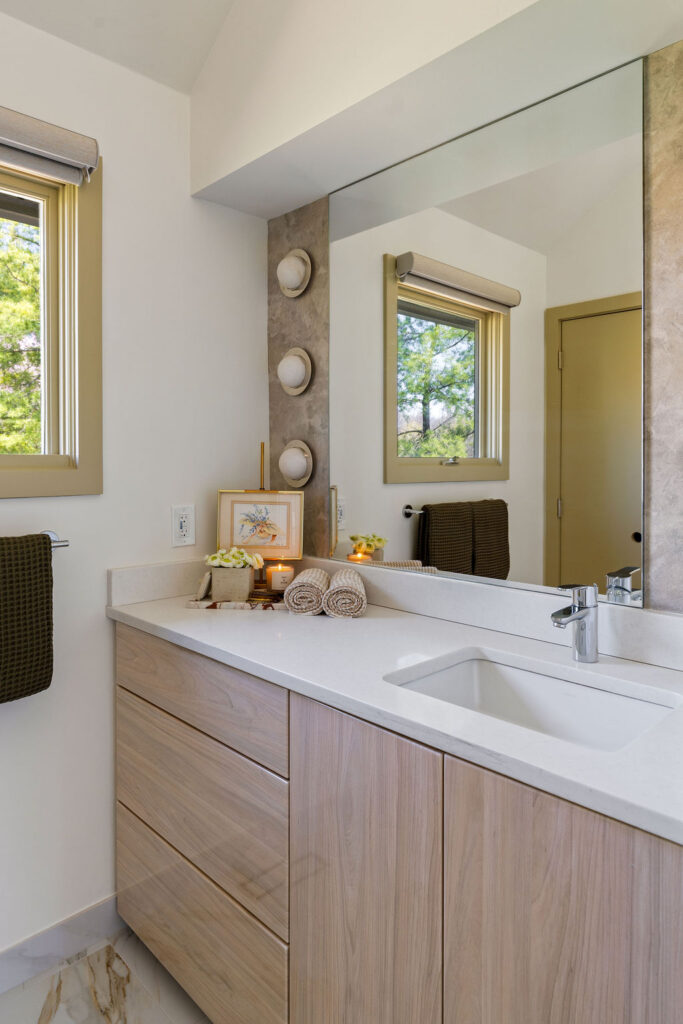
A home optimized to reduce sensory anxiety for an ADHD or autistic family member naturally yields a calmer, more organized, and deeply restorative environment for a neurotypical person as well. In a chaotic world, who couldn’t benefit from a home that acts as a sensory sanctuary?
How We Bring Neuro-Inclusivity Into Our Projects
When working with clients, we look beyond the mood board to understand their unique sensory profile. There are two primary ways people process sensory input, and our designs pivot entirely based on where a client lands:
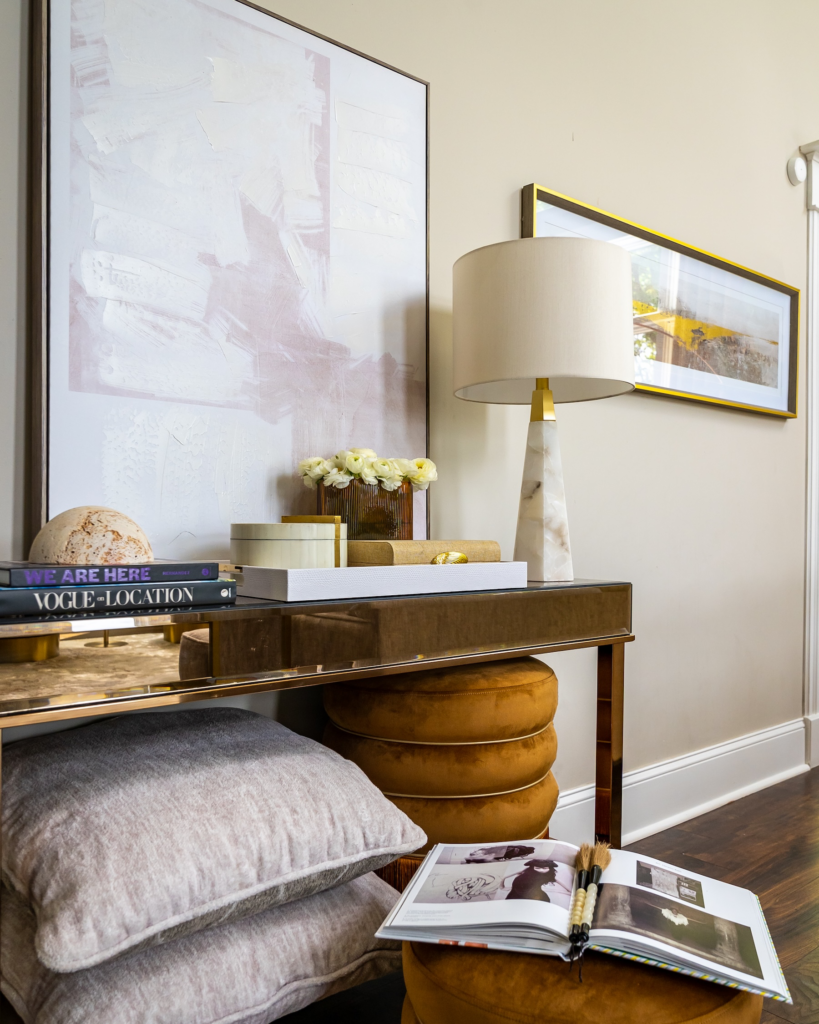
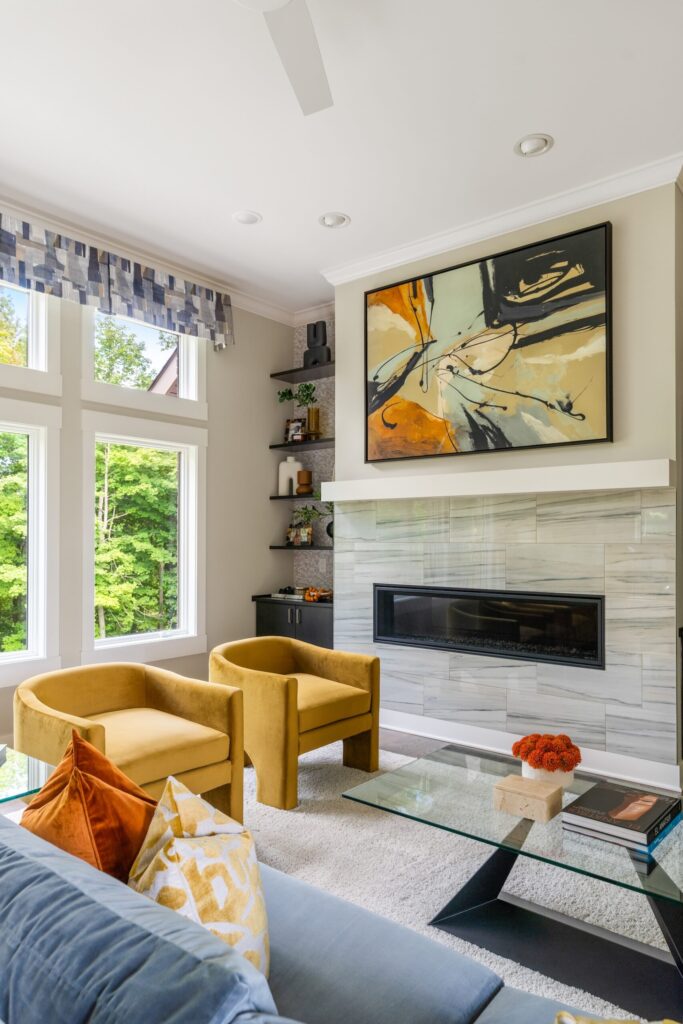
- For the Sensory Sensitive (Hypersensitive): These individuals easily experience sensory overload. For them, we design a “decompression chamber.” We prioritize acoustic panels disguised as art, concealed or built-in storage to eliminate visual noise, matte finishes that eliminate glare, and highly controllable, dimmable circadian lighting.
- For the Sensory Seeking (Hyposensitive): These individuals need rich environmental feedback to feel grounded and focused. For them, we introduce varied tactile materials—such as deeply textured textiles, natural woods, and stone—alongside dedicated movement zones, flexible seating (like rocking or swivel chairs), and distinct color-coded spatial layouts.
Spaces That Know Your Brain
Your home should not be another thing you have to manage at the end of a long day. It should be the place that restores you. By looking at interior design through a neurological lens, we are moving past temporary trends and creating spaces that truly understand, protect, and celebrate the people who live in them.
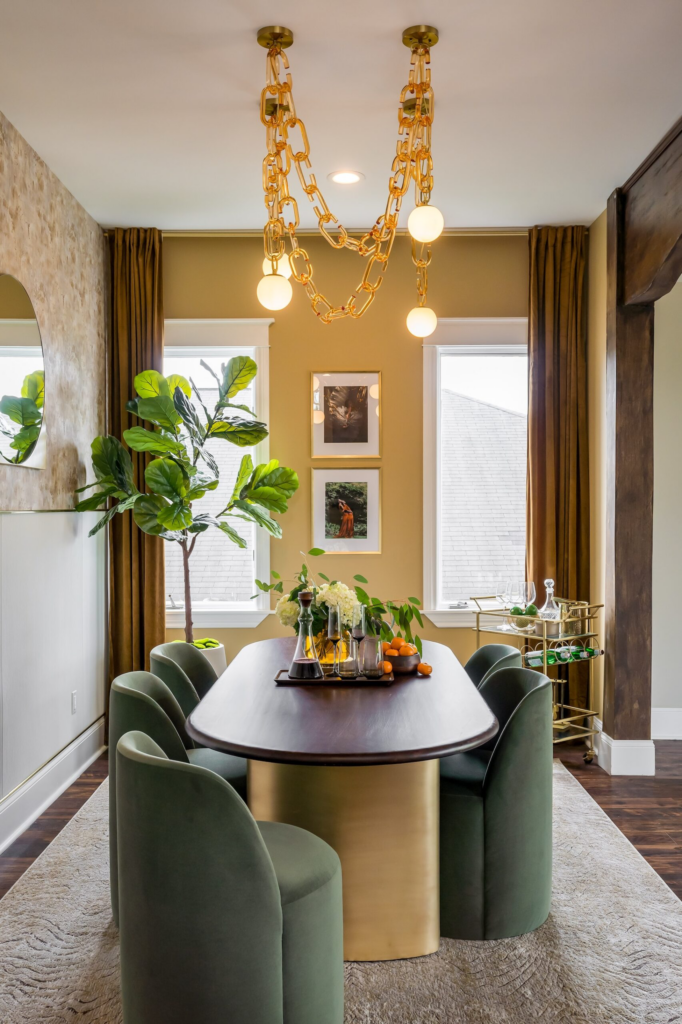
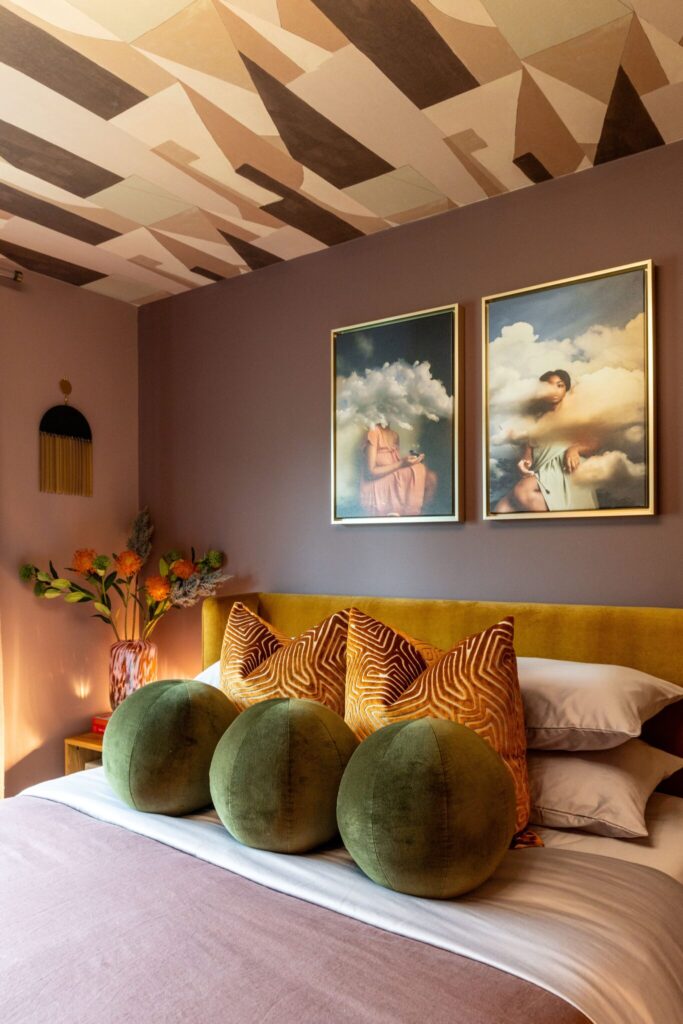
Check Your Space: A Quick Sensory Audit
Not sure if your home is fully supporting your well-being? Walk through your favorite room and ask yourself these quick questions to see where you might be experiencing sensory friction:
- Lighting: Do you find yourself avoiding overhead lights and relying strictly on lamps? (This often points to a sensitivity to harsh, flickering glares).
- Visual Noise: When you sit down to relax, does your eye immediately jump from item to item on open shelves, making it hard to mentally power down?
- Acoustics: Does the sound of a humming appliance or traffic outside make it difficult to focus or hold a conversation?
- Tactile Comfort: Are the fabrics on your main seating pieces inviting, or do you find yourself constantly reaching for a specific blanket to shield yourself from scratchy materials?
If these questions resonate, it is a sign that your environment is working against your nervous system rather than for it.
Ready to Build a Space That Knows Your Brain?
You shouldn’t have to spend your energy managing the sensory friction of your own home. True luxury isn’t just about how a space looks—it is about how completely it allows you to rest, focus, and feel like yourself.
Whether you are looking to design a calming decompression bedroom, an ADHD-friendly home office, or a sensory-balanced family living room, we are here to help you bridge the gap between stunning aesthetics and neurological comfort.
Let’s look past the surface trends and create a home tailored exactly to how your brain works.
👉 Click Here to Schedule a Complimentary 20-Minute Discovery Call Let’s chat about your space, your unique sensory profile, and how we can bring true balance back into your everyday life.
–Twelve15 Design Studio

